An independent watercolor magazine: washes and glazing, paper and brushes, pigments, and painting skies, water and trees from life.
Painting in watercolor, from first wash to finished picture
Watercolor technique, materials and painting the natural world. Plain guides to technique, materials and the landscape, written for anyone who paints or wants to begin.
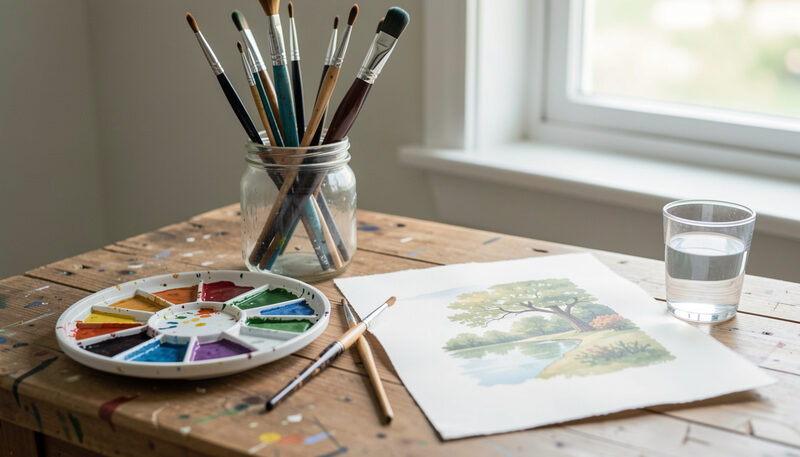
Three sections
Technique, materials and the subjects you paint
Each section opens with an index of its guides. Learn how the water behaves, choose paper and brushes with confidence, then take the techniques outdoors.
 01
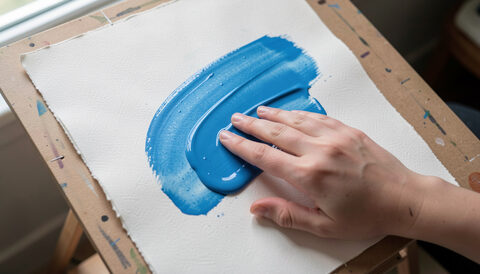
01Start with the washes
Flat, graded and wet-on-wet washes, glazing and dry brush, and the timing that decides every mark.
 02
02Know your materials
Paper, brushes and pigments: what each one actually changes in the finished painting.
 03
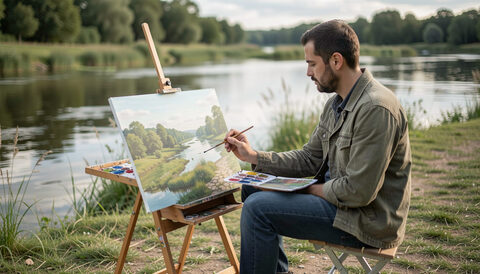
03Paint the landscape
Skies, water and trees painted from observation, with the outdoor sketchbook that ties them together.
Section 1 of 3
Technique
How water and pigment behave on paper: flat and graded washes, wet-on-wet, glazing and layering, dry brush, and the repair of mud, hard edges and blooms.
Technique
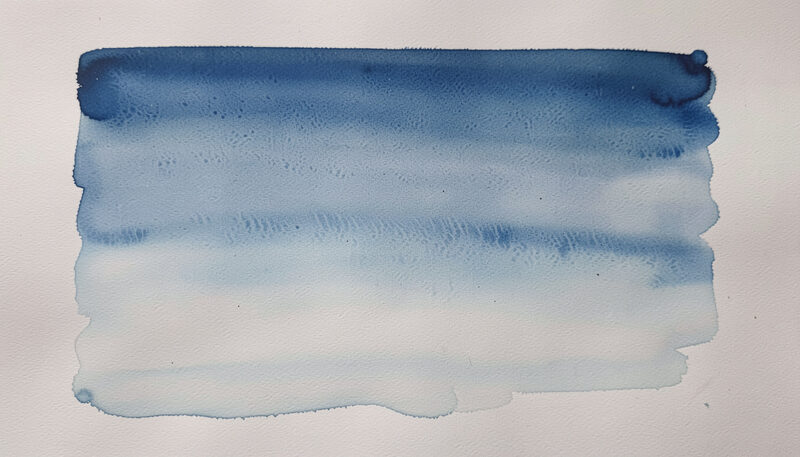
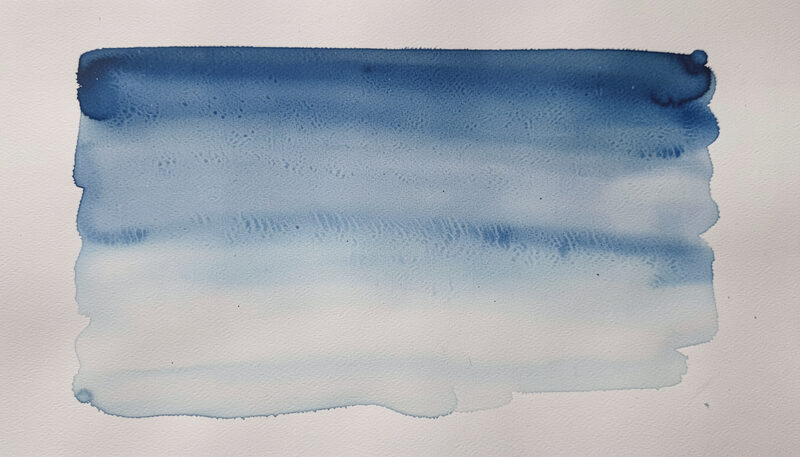
Wet-on-Wet Washes
How to lay a flat wash, a graded wash and a wet-on-wet sky: water-to-pigment ratio, board tilt, brush loading and the timing that decides the result.
Flat, graded and wet-on-wet, one wash at a time.
Technique
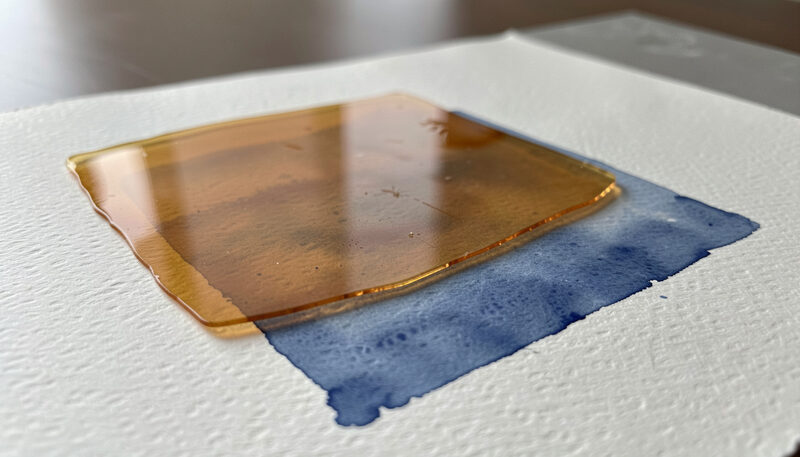
Glazing and Layering
Glazing builds depth with transparent layers: how to let each wash dry, keep colors clean, plan the order of layers and avoid mud when colors overlap.
Transparent layers, built from light to dark.
Technique
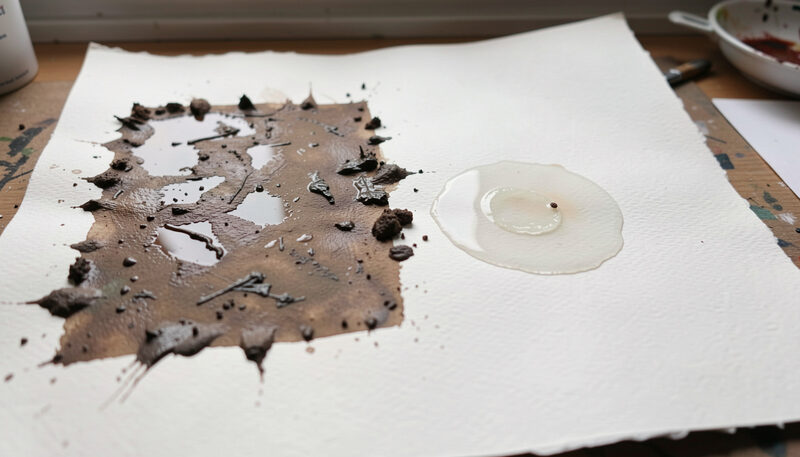
Troubleshooting Watercolor
Fix the common watercolor faults: muddy color, hard edges, backruns and blooms, overworked paper, and paint that dries lighter than it looked.
Mud, hard edges and blooms: the cause and the cure.
Technique
A Ten-Minute Daily Watercolor Drill
A ten-minute daily watercolor drill that trains accuracy before speed: one repeated wash, warm-up strokes, and a desk set so brush, board and eye sit right.
Section 2 of 3
Materials
What the materials actually do: cotton and wood-pulp paper, brush hair and shape, and how pigments differ in transparency, granulation and lightfastness.
Materials
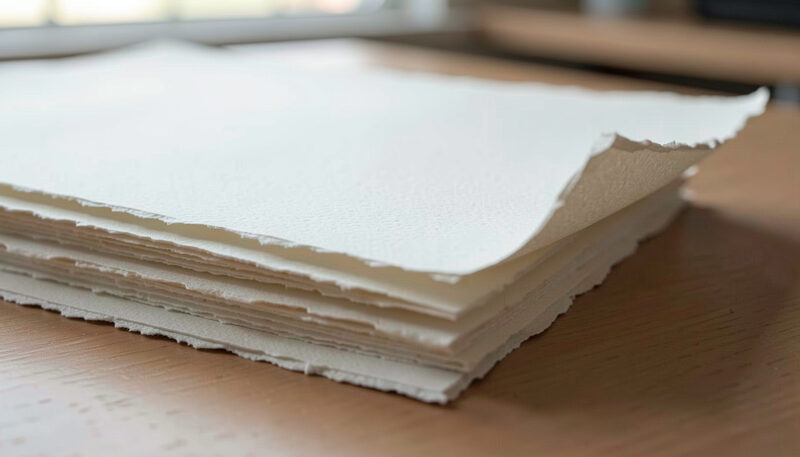
Choosing Watercolor Paper
Choose watercolor paper by fiber, weight and surface: cotton against wood pulp, 140 lb against 300 lb, cold press, hot press and rough, sizing and stretching.
Fiber, weight and surface, and why the sheet matters most.
Materials
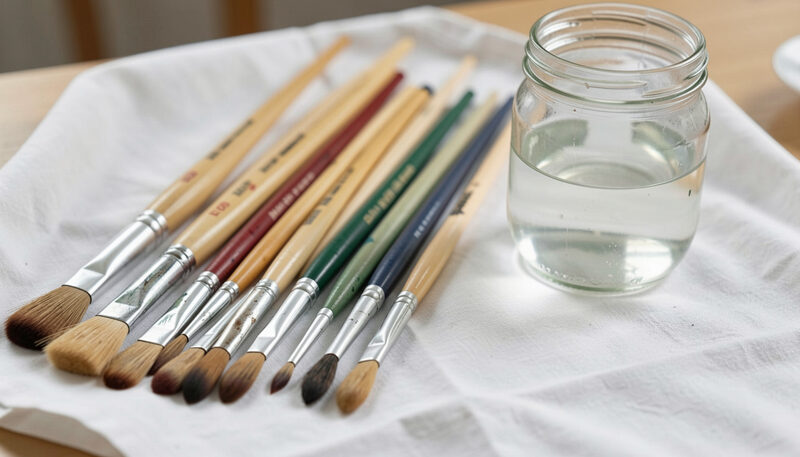
Choosing Watercolor Brushes
Pick watercolor brushes by hair and shape: sable, squirrel and synthetic, round, flat, mop and rigger, plus size, snap, point and how to care for them.
Hair, shape and size, and the marks each one makes.
Materials
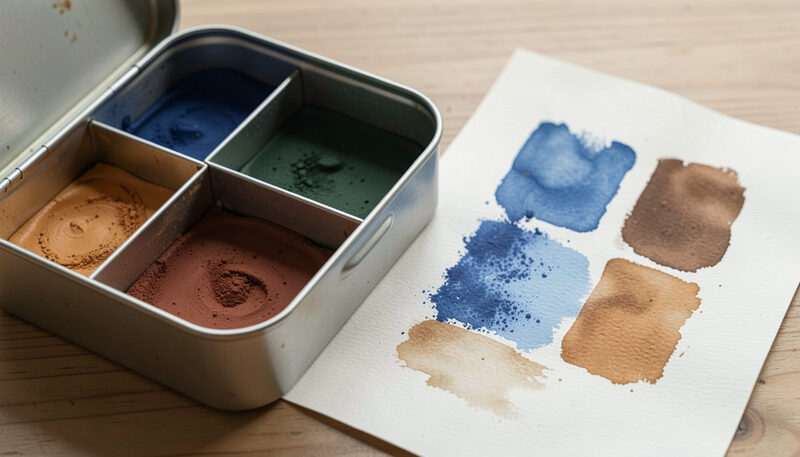
Understanding Watercolor Pigments
Read watercolor pigments by property: transparent against opaque, staining against lifting, granulating earths, lightfastness and a limited palette.
Transparency, granulation, lightfastness and a limited palette.
Materials
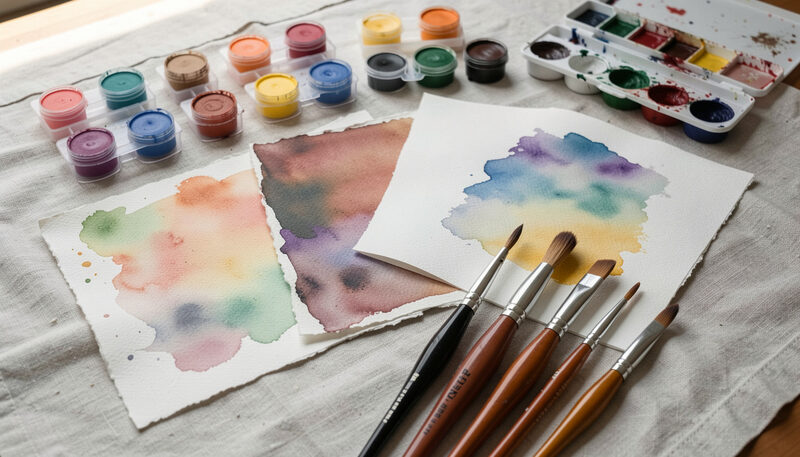
A Student Watercolor Kit That Fits a Bag
What belongs in a first watercolor kit for a student, what it costs, and how to keep a painting habit going through a full term.
Materials
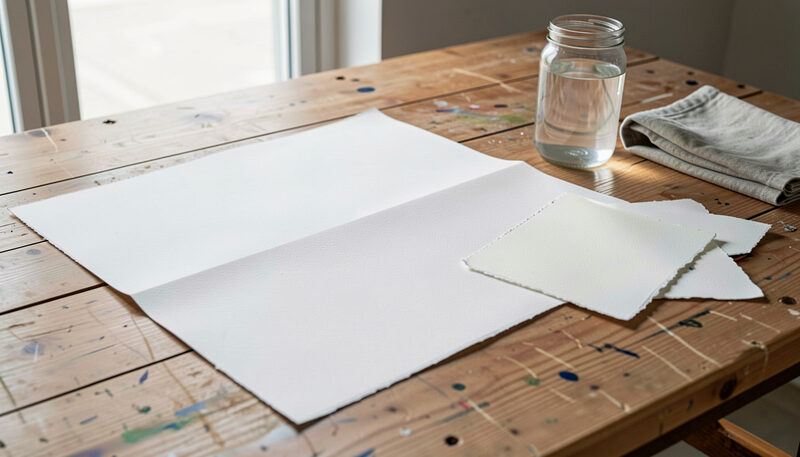
Watercolor Paper Sizes and Which Side to Paint On
Full, half and quarter imperial sheets, A-series pads, why pound weight depends on size, and how to find the felt side of a sheet before the first wash.
Full, half and quarter sheets, and the side to paint on.
From the archive
The theme this address began with
This web address has carried different pages over the years, and the guides here keep the subject it started with: painting. These are a few of the questions the site answers today.
Guide
Wet-on-Wet Washes
Flat, graded and wet-on-wet, one wash at a time.
Guide
Choosing Watercolor Paper
Fiber, weight and surface, and why the sheet matters most.
Guide
Painting Skies in Watercolor
A graded base, lifted clouds and light kept at the horizon.
Section 3 of 3
Painting Subjects
The landscape painted from life: skies and cloud, water and reflection, trees and foliage, and the sketchbook habit that makes all three easier outdoors.
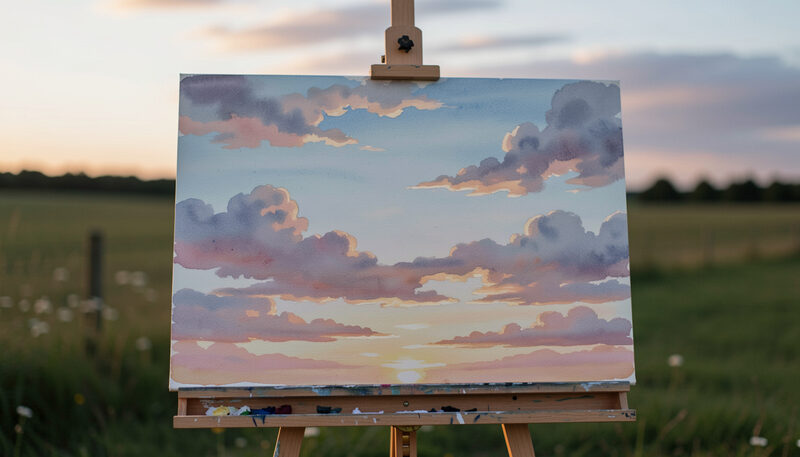
Painting Subjects
Painting Skies in Watercolor
Paint watercolor skies with confidence: building a graded base, lifting clouds, keeping light in the horizon, and reading the sky before the paper is wet.
A graded base, lifted clouds and light kept at the horizon.
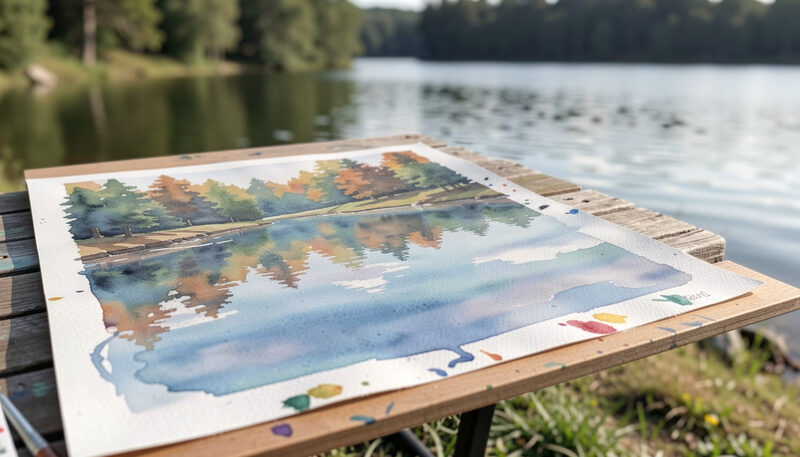
Painting Subjects
Painting Water in Watercolor
Paint still water, moving water and reflections in watercolor: reading the surface, keeping reflections simple, edges and ripples, and reserving the light.
Still water, moving water and reflections kept simple.
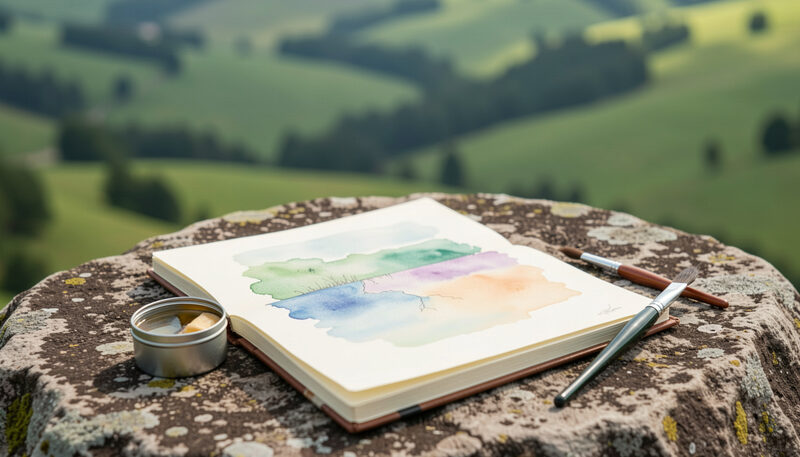
Painting Subjects
Sketchbooks and Painting Outdoors
Build a watercolor sketchbook habit and paint outdoors: a light kit, a small palette, working fast in changing light, and what to study from each sketch.
A light kit and a weekly habit of small studies.
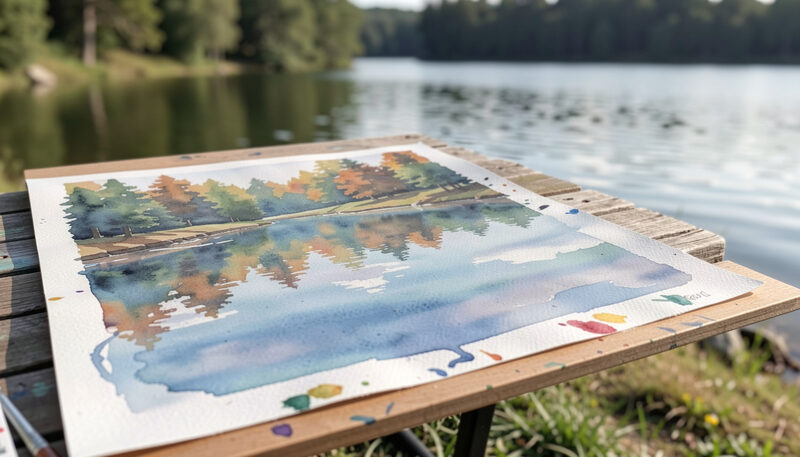
Painting Subjects
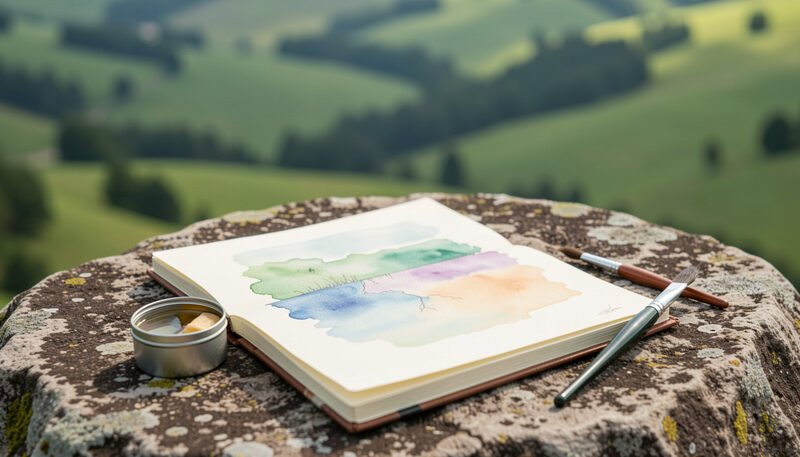
Water in the Wash and Water in the Rite
Still water, moving water and the colour of depth in watercolor, set beside what Baptist churches mean by baptism by immersion and how a service unfolds.
Painting Subjects
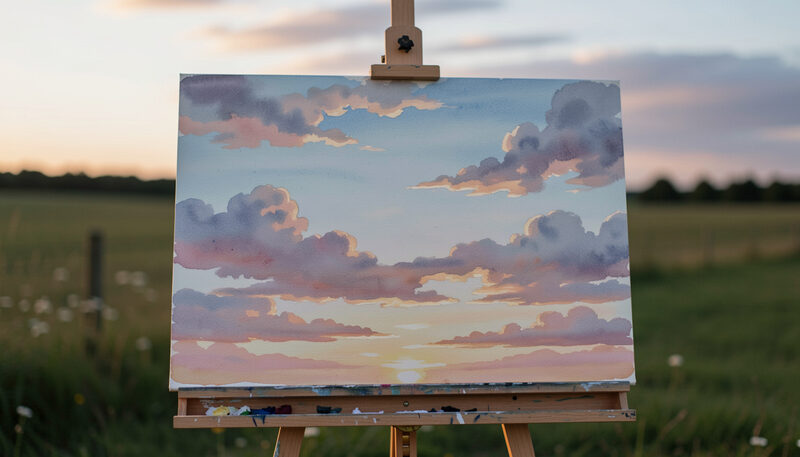
Watercolor Picture Books: Spreads, Palette, Revisions
Pacing a picture book across spreads, keeping watercolor readable at a small trim size, and the revision passes a children's book illustration really needs.
Painting Subjects
A Watercolor Sketchbook Through the School Year
Keeping a watercolor sketchbook through a season of school events: quick studies of games, concerts and club meetings, and what to carry in the bag.
Elsewhere
Independent publications
Elsewhere
For travelers who sketch the pueblos and mesas of the Four Corners, a plain-spoken notebook covers the archaeology of the American Southwest: Chaco Canyon's great houses, Mesa Verde's cliff dwellings, rock art panels, pottery types, and the etiquette of visiting ruins.
Elsewhere
For painters who want context behind the feasts they see depicted, a guide to the Orthodox liturgical year covers fixed and movable celebrations, the Divine Liturgy, Vespers and Matins, church plans, icon reading, and visiting etiquette.
Elsewhere
For players curious about string band music, an Irish bluegrass notebook covers banjo, mandolin, fiddle and resonator guitar, clawhammer against three-finger picking, and festivals across Ireland and the UK.
Elsewhere
For readers planning the final months before a move home, a Japan departure magazine covers the three month countdown, the paperwork of taxes and pensions, and the return itself.
Elsewhere
Un carnet de bord du marché horloger suisse, The Unworn Ledger documente les montres neuves et d'occasion, leurs conditions, leurs boîtes et leurs papiers.
Elsewhere
Pour comprendre comment les rédactions travaillent sous pression, un magazine consacré à la critique des médias examine la une, les sources anonymes, les corrections et les silences de la presse américaine.
Sources and further reading
Where this magazine looks for facts
Where a guide depends on a fact about the medium, the pigment or the tradition, it points to a reference the reader can check. These are the general sources used across the site.
Reference
Watercolor painting
A general reference on the history, pigments and techniques of painting in watercolor, useful as a starting point for the wider tradition.
History and technique of the medium.
Reference
Pigment
What pigments are, how they are classified and why some are lightfast while others fade, which underpins the guide to choosing colors.
What pigments are and how they behave.
Reference
Plein air
The tradition of painting outdoors from direct observation, the practice behind the sketchbook and landscape guides on this site.
Painting outdoors from life.
Reference
Landscape painting
An overview of landscape painting as a subject, its conventions and its history across the last few centuries.
The landscape as a subject.